

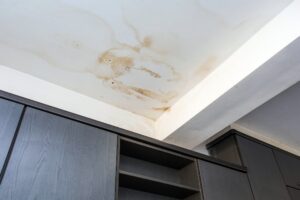
 Moisture damage in rental properties typically does not originate from a flood or a burst pipe. Instead, it progresses slowly due to everyday humidity, small leaks, and poor airflow. As time passes, this constant exposure causes serious harm like mold growth, wood rot, and deteriorating indoor air quality. For rental property owners, knowing how damaging everyday moisture can be is important to protect your property’s value and avoid costly repairs.
Understanding Moisture Damage: The Hidden Threat to Rental Property Value
When individuals consider property damage, they frequently predict dramatic events like fire, floods, or storms. However, there are other things that can cause just as much damage without all the drama. Moisture damage represents one of these factors. It is nuanced, continuous, and easy to overlook, particularly in rental properties where the early signs are often missed.
Daily doings like bathing, cooking, doing laundry, and even breathing release moisture into the air. Without proper ventilation and upkeep, that moisture can seep into walls, flooring, and structural materials, silently weakening the property and growing into significant damage over time.
That aspect is particularly deceptive. Moisture damage tends to escalate rapidly. What commences as a bit of condensation or a gradual leak can eventually lead to widespread issues that impact both the property’s habitability and its value.
Common Causes of Moisture Damage in Rental Properties
Some of the most common sources of moisture damage in a rental property regularly arise from routine activities or slowly developing plumbing issues. For illustration:
- High Indoor Humidity: Residents produce indoor moisture daily. Bathrooms lacking efficient exhaust fans, kitchens with poor ventilation, and laundry areas that trap steam all give rise to elevated humidity levels.
- Small Leaks: Dripping pipes, slow roof leaks, and defectively sealed windows can persist for extended periods, often going unnoticed for months. Minor leaks frequently remain concealed within walls, ceilings, or cabinets, causing damage that occurs well in advance of any visible indications.
- Poor Ventilation and Airflow: Insufficient airflow leads to moisture entrapment. Bathrooms, basements, attics, and closets exhibit heightened susceptibility. Poor ventilation represents a significant factor in the prevalence of long-term moisture damage in rentals.
- Seasonal Weather and Climate: Rain, snow, and humid weather all increase moisture exposure. Properties in damp or extreme climates are subject to increased risks if proactive maintenance and inspections are not conducted.
Long-Term Effects of Moisture Damage on Rental Properties
When not properly managed, even relatively small amounts of moisture can lead to significant problems. These consist of:
- Mold and Mildew Growth: Moist environments establish optimal conditions for mold. In addition to the expenses associated with remediation, mold problems can result in resident complaints and potential legal concerns.
- Poor Air Quality: Humid indoor air can contribute to the deterioration of health issues over time. This may lead to increased liability as a consequence of the property’s declining habitability.
- Wood Rot and Structural Weakening: Moisture silently damages wood framing, trim, and subfloors. Structural damage frequently remains undetected until repairs are imperative.
- Cosmetic damage: Peeling paint, warped floors, and deteriorating finishes are often the first visible signs of deeper moisture problems. These issues have the potential to influence tenant satisfaction and rental appeal.
Moisture damage is significant due to its gradual buildup, leading to repairs that are often more extensive and costly by the time the issue becomes apparent. This positions proactive property inspections and prevention as a top priority for rental property owners.
Proven Moisture Prevention Strategies for Landlords
Opportunely, prevention can be highly effective in avoiding moisture-related property damage. Effective prevention begins with routine property inspections. Inspections play a crucial role in identifying condensation patterns and assessing ventilation systems, effectively stopping damage from escalating.
Examples of effective strategies for landlords to prevent humidity include:
- Guaranteeing proper ventilation in bathrooms and kitchens
- Promptly addressing leaks, no matter how small
- Conducting inspections with a focus on high-risk areas
- Overseeing the upkeep of roofs, windows, and exterior seals
Implementing these and other preventative steps incurs significantly lower costs compared to moisture-related repairs and can keep your residents healthy and comfortable in their houses.
Protect Your Rental Property Investment from Moisture Damage
Moisture may appear inconspicuous, yet its effects on rental properties can be profoundly damaging. Moisture rental damage presents significant challenges for landlords, encompassing both structural damage and health concerns, making it one of the most costly threats they encounter. However, through the implementation of proactive inspections and effective humidity prevention strategies, it stands as one of the most preventable issues.
If you have concerns regarding hidden moisture issues in your rental property, communicate with Real Property Management 360 today! Our systematic inspection and maintenance services assist rental property owners in Euless in identifying issues at an early stage, preventing moisture damage, and safeguarding property values in the long term. Contact us online or call 817-502-3588 to learn more.
This content is provided for general informational and educational purposes only and does not constitute financial, legal, tax, or investment advice. Readers should consult with licensed professionals regarding their specific circumstances.
We are pledged to the letter and spirit of U.S. policy for the achievement of equal housing opportunity throughout the Nation. See Equal Housing Opportunity Statement for more information.
